
Monochrome LCD and OLED Display
Monochrome LCD and OLED Display
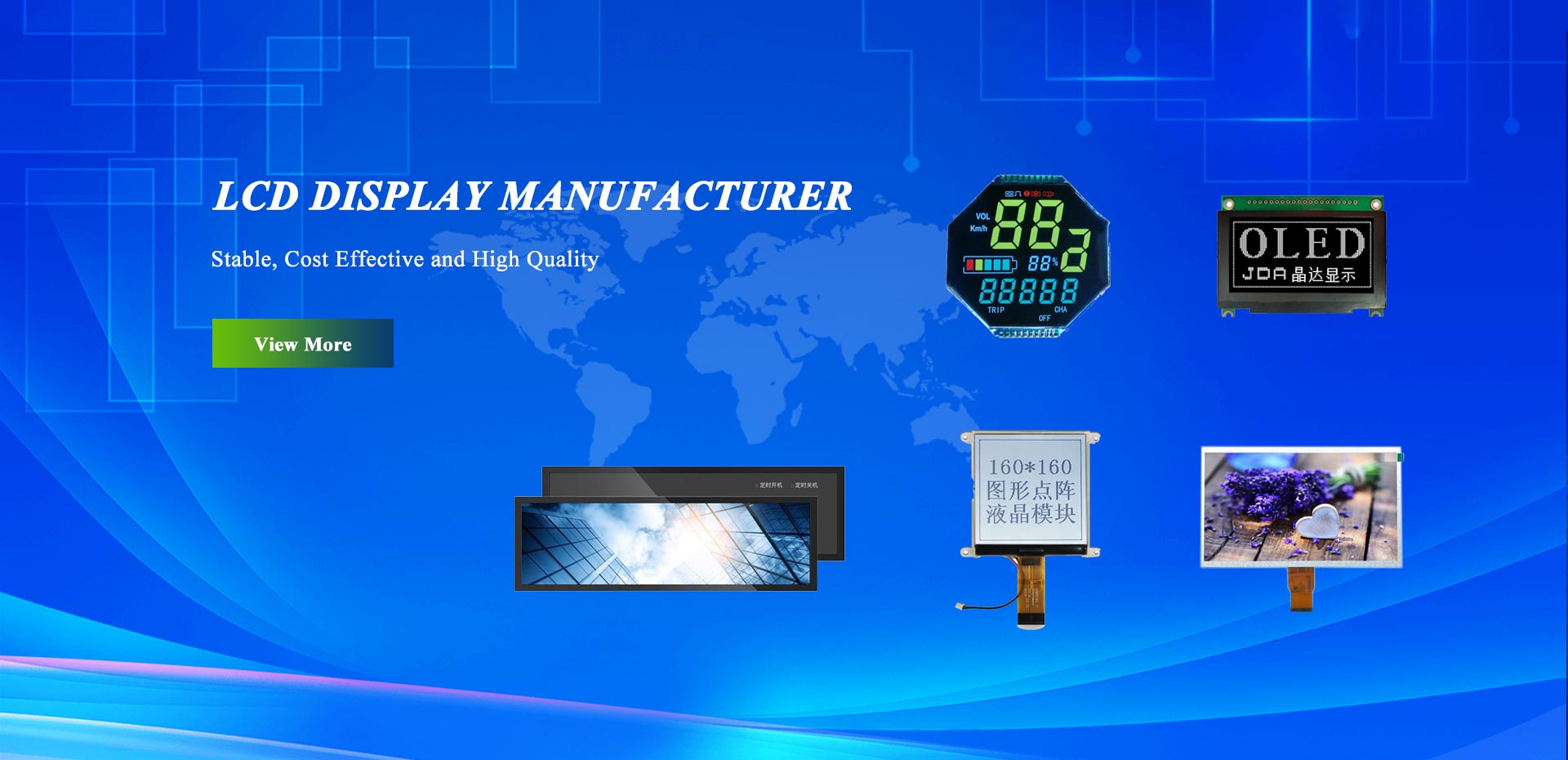
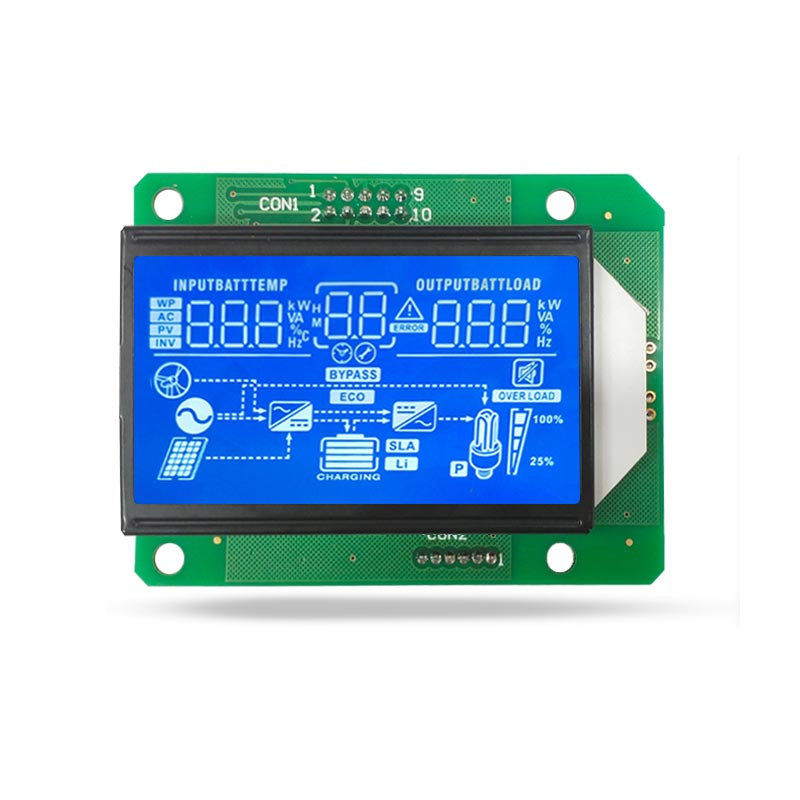
JINGDA-DISPLAY is a professional monochrome LCD display manufacture and LCM module supplier in China, we are specialized in manufacturing LCD Display for more than 10 years. The Company has a strong market position, particularly in Monochrome LCD and OLED Display. JDA’s monochrome LCD displays include segment LCD display, character LCD display and graphic LCD display. There is TN, HTN, STN, FSTN, FFSTN and VA can be selected. JDA’s monochrome LCD displays is widely used in Solar Inverter, UPS, Industrial Equipment and Consumer Electronics. As a China LCD display factory, JDA committed to innovation, design and manufacture production process to enhance high quality and cost-effective LCD display solution. JDA has a rich experience in monochrome LCD display, the company can provide stable, reliable and cost-effective electronic products for clients with cost requirement.
JDA’s OLED display products, covering PMOLED and OLED modules, which are widely used in Consumer Electronics, Medical Devices, Smart Wearables and Automotive Displays. Our OLED products meet the display needs of the customers with high-definition image quality, thin design and high reliability. Customized OLED Display is available. We can design and produce a variety of display devices according to customer needs, and constantly apply more advanced technology to display devices, effectively supporting the stability of customer terminal products and market opportunities.
JDA’s OLED display products, covering PMOLED and OLED modules, which are widely used in Consumer Electronics, Medical Devices, Smart Wearables and Automotive Displays. Our OLED products meet the display needs of the customers with high-definition image quality, thin design and high reliability. Customized OLED Display is available. We can design and produce a variety of display devices according to customer needs, and constantly apply more advanced technology to display devices, effectively supporting the stability of customer terminal products and market opportunities.
TFT Display
TFT Display
JDA is professional TFT Modules supplier in China, we have completed production line. JDA’s TFT display are available in a verity of combinations, including standard TFT display, TFT with touch, TN TFT and IPS TFT, etc. Our product size from 0.96-25 inches, as well as landscape view and portrait view, and interface RGB, LVDS, MIPI and so on. With Flexible customization options are available for size, interface, and display modes, tailored to meet customer-specific requirements.With the evolution of the industry and technological innovation, upgrading from On-cell to In-cell technology is the trend in the future. 20%-30% cost savings from In-cell will be a breakthrough point to be more competitive in the incremental markets.
Stretched Bar Display and Digital Outdoor Signage
Stretched Bar Display and Digital Outdoor Signage
JINGDA-DISPLAY is stretched bar display and digital outdoor signage manufacturer and supplier in China who can wholesale stretched bar display and digital outdoor signage. Stretched Bar Display is specialized stretched displays created by precision cutting of standard LCD panels. JDA’s stretched bar display offer flexibility in adjusting the size and aspect ratio to meet specific application requirements. This unique feature makes them ideal for use in Transportation, Commercial Displays, Industrial Equipment, and other scenarios where specific display shapes and sizes are needed.
LCD Display Solution
LCD Display Solution
JINGDA-DISPLAY is a leading China lcd display solution manufacturer. JDA is dedicated to offering comprehensive LCD display solutions. Our solutions cater to diverse display technology needs across industries such as consumer electronics, industrial equipment, medical devices, enabling innovation and superior performance for our clients. JDA is also constantly innovating to provide customers with better services and LCD display products.
Featured Products
Segment LCD Display HTN Blue Module LCM Display
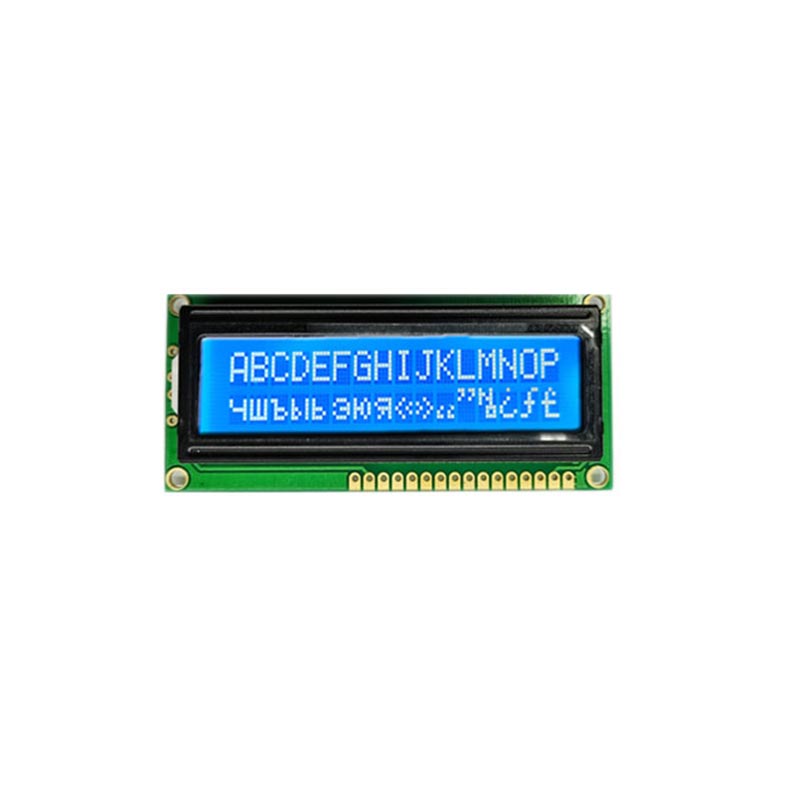
16x2 Character LCD Display STN Blue Display
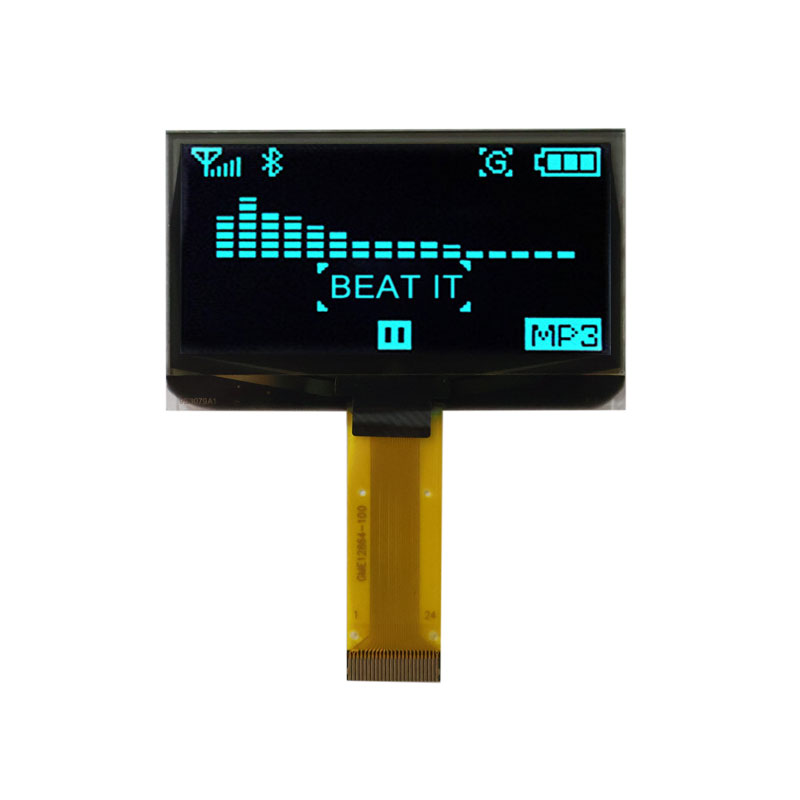
2.42 inch OLED Display 12864 SPI OLED Display Module
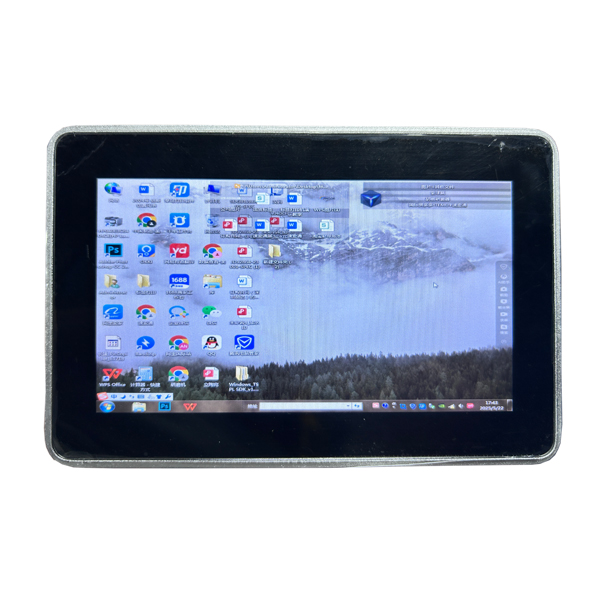
7 inch TFT Embedded Industrial Control All-in-One Device
8 inch TFT Capacitive CTP Portable Display with Type-C Interface
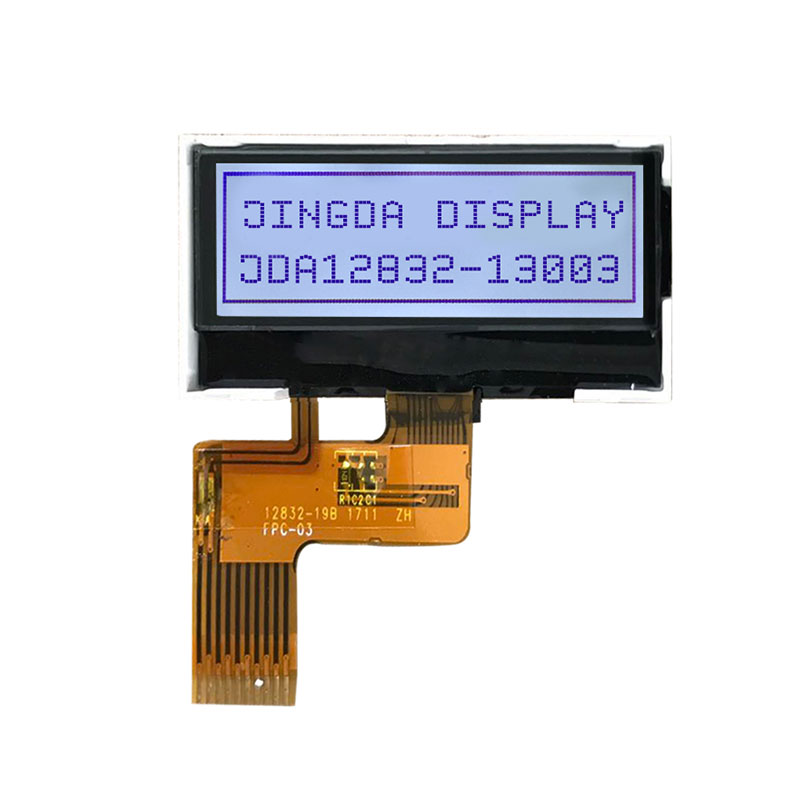
128×32 Graphic LCD Display Module for Industrial Application

About Us
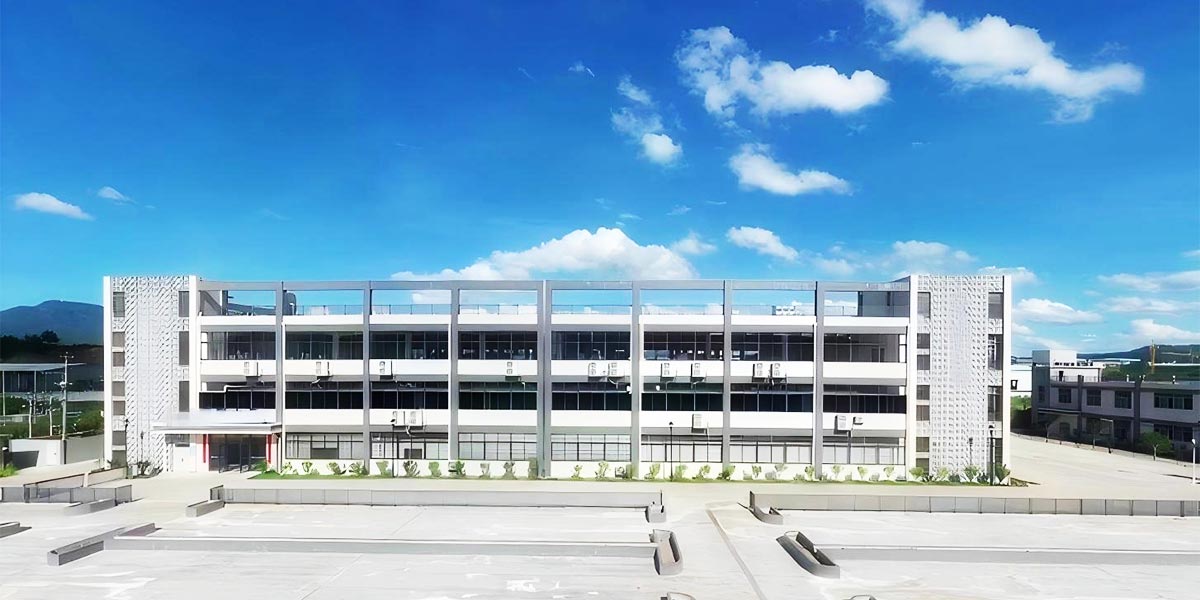
Shenzhen Jingda Display Technology Co., Ltd.(JDA in brief) is established in 2015, with a team of 10 experienced engineers in the LCD industry. Through our continue innovations, it has developed into a high-tech enterprise integrating R&D, manufactures and sells display modules and HMI solution. JDA is committed to the perfect integration of intelligent technology and display technology, our company focused on the field of LCD display, and is committing to providing clients with high cost-effective LCD display product and display application solution.
With more than 10 years development, JDA has rich experiences in LCD display field, meanwhile it has own R&D team and factory, and has certain advantages in product quality and innovation ability. We aim to be at the forefront of the LCD display technology industry, offering innovative and reliable products that meet the ever-evolving needs of the market.
Cooperative Partner
New Products
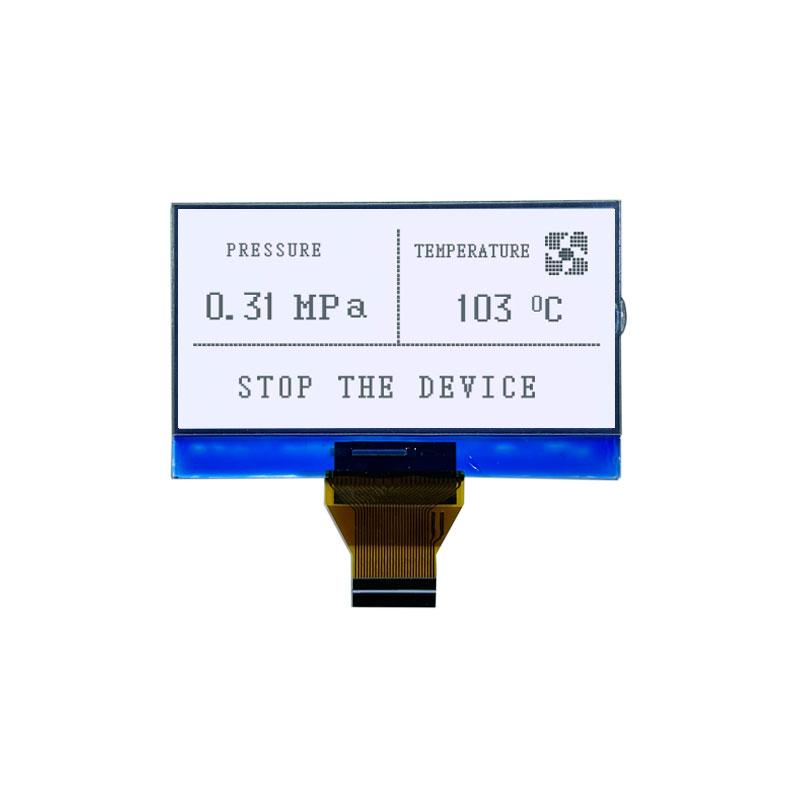
160×160 Monochrome Display Graphic FSTN LCD Display
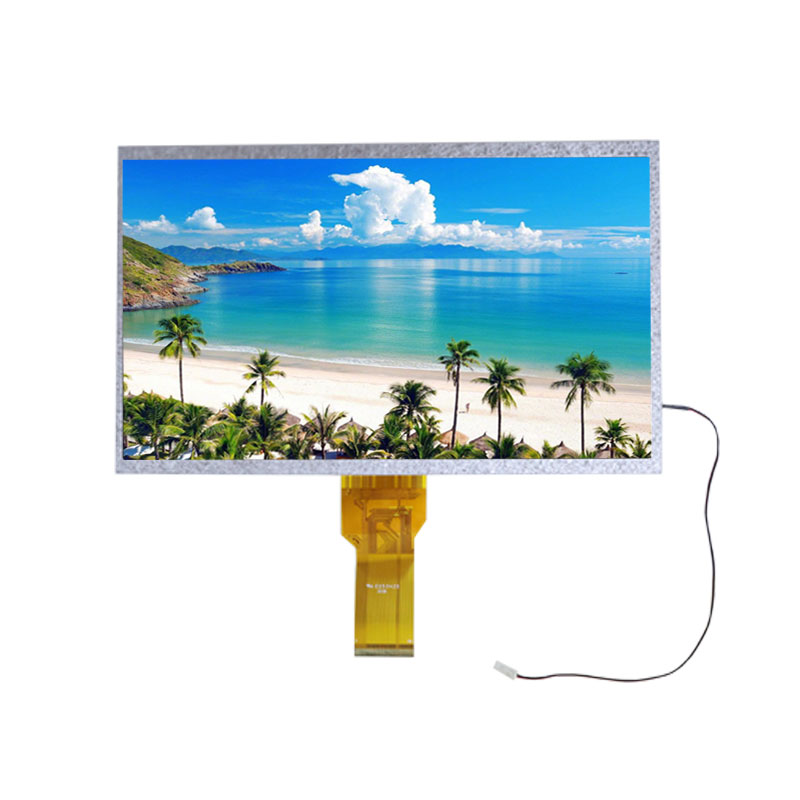
10.1 inch TFT Display TN Transmissive LCD Display
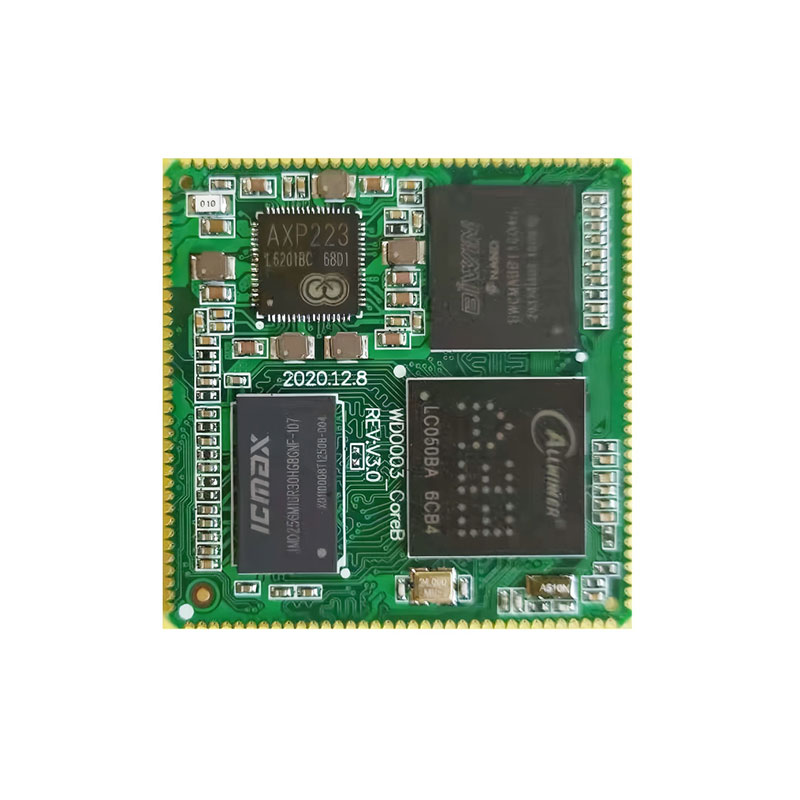
AMR Board Technology and LCD Display Solution Provider
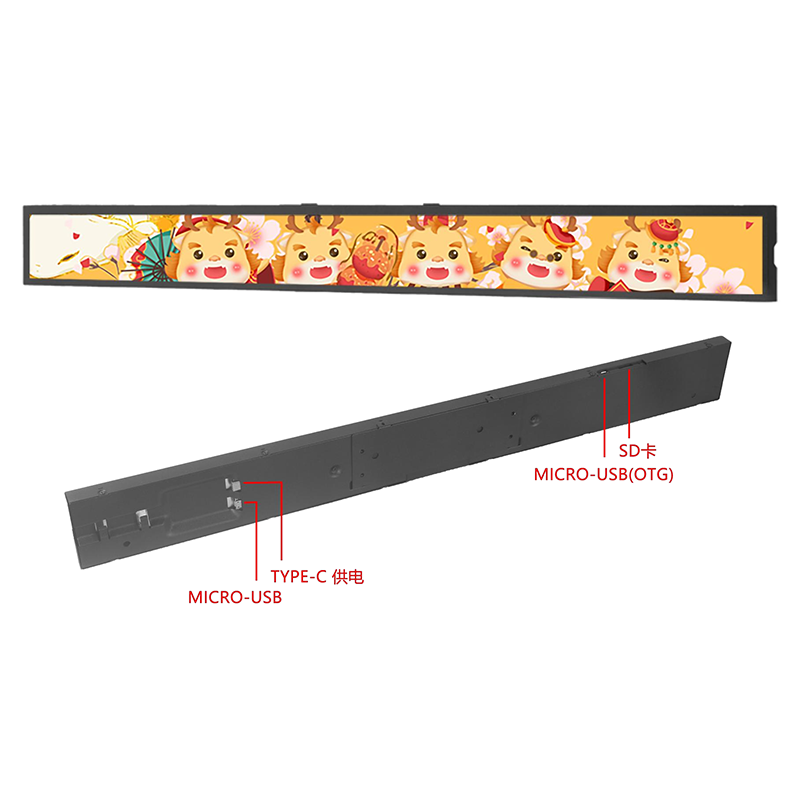
23.1 inch Stretched Bar Display Wide LCD Advertising Screen for Retail
8 inch TFT Display Gorilla Glass Screen 9H Resolution 1280X800
7 inch TFT Embedded Industrial Control All-in-One Device
8 inch TFT Capacitive CTP Portable Display with Type-C Interface
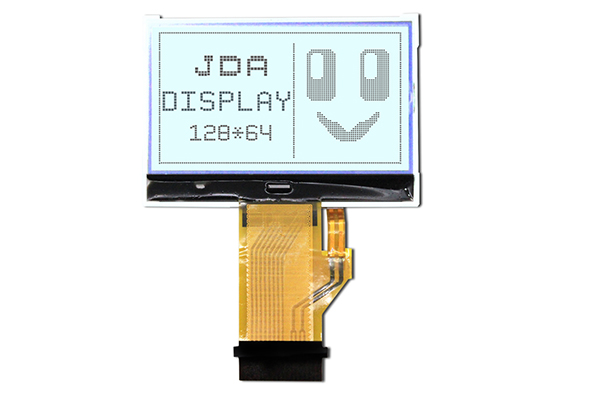
LCD Display FOG Drive IC ST7565P Graphic LCD Display

News
The Difference Between Positive Mode and Negative Mode on LCD Display Screen
There are two modes in LCD display, including POSITIVE and Negative Mode. The main difference between the Positive mode and Negative mode of LCD screens lies in the color relationship between the background (base color) and the displayed content (characters/graphics), which is essentially determined by the installation angle of the polarizer.
Read More
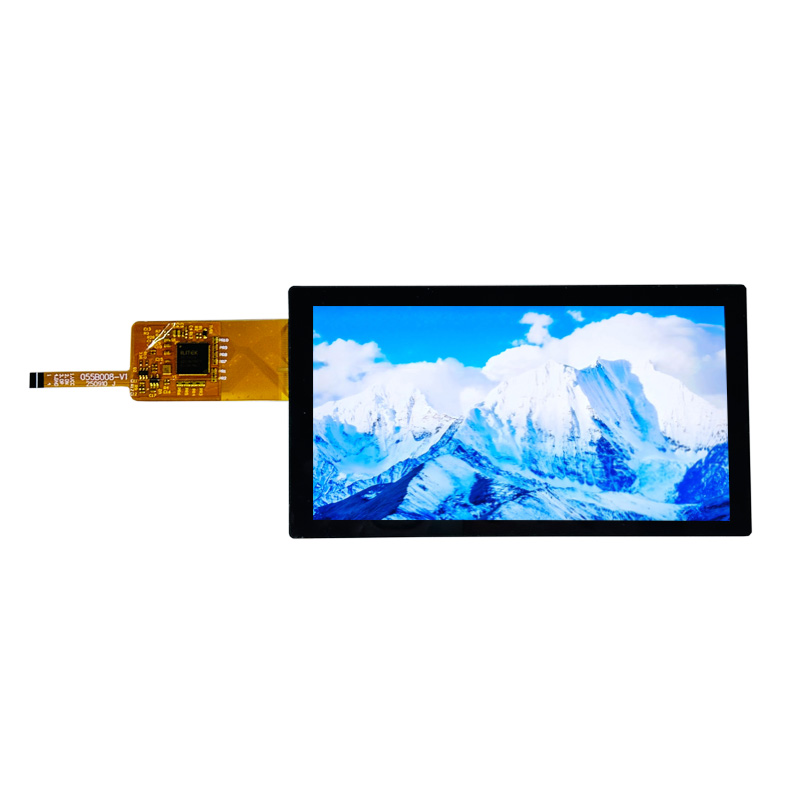
Why Are TN-IPS Displays Becoming the New Standard for High-Performance Screens?
A TN-IPS display integrates the ultra-fast response characteristics of Twisted Nematic (TN) technology with the wide-angle color accuracy of In-Plane Switching (IPS), forming a hybrid engineering approach that targets speed, clarity, and visual fidelity in a single panel. This type of display is built for users who need high refresh rates, broad color reproduction, and stability across professional and commercial environments. The core purpose of this discussion is to examine how TN-IPS works, why it is gaining traction in global markets, and what measurable advantages it delivers in real-world applications.
Read More
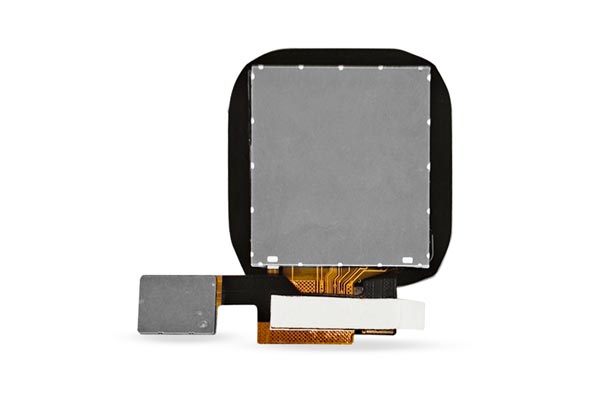
What are the working characteristics and driving methods of TFT color LCD display screens?
Color TFT-LCD uses thin film transistors to generate voltage to control the liquid crystal steering display. It consists of a glass plate with a thin film field effect transistor matrix circuit and a glass plate with a color filter. Liquid crystal is poured between the two glass plates. Each pixel in the display is divided by the horizontal and vertical common metal wires of the thin film transistor matrix circuit. Each pixel contains a thin film field effect transistor and a capacitor. This capacitor is composed of an indium tin oxide (ITO) transparent electrode in the matrix circuit and a common ITO electrode on the color filter. The liquid crystal sandwiched between the two electrodes acts as a dielectric in the capacitor.
Read More

The difference between dot matrix screen and TFT screen
Taking full color as an example, dot matrix screen technology is to encapsulate 192 LED chips in three colors in a module, which are composed of modules and unit boards, which are composed of display screens.
Read More
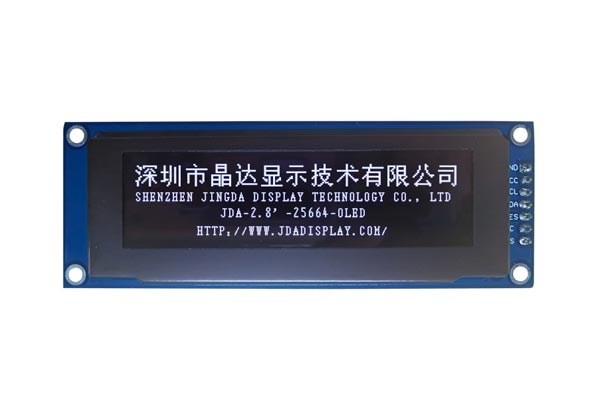
Difference between OLED and TFT
Thin Film Transistor (TFT thin film field effect transistor) means that each liquid crystal pixel on the liquid crystal display is driven by a thin film transistor integrated behind it. So that the screen information can be displayed at high speed, high brightness and high contrast. TFT-LCD (thin film transistor liquid crystal display) is one of the most liquid crystal displays.
Read More
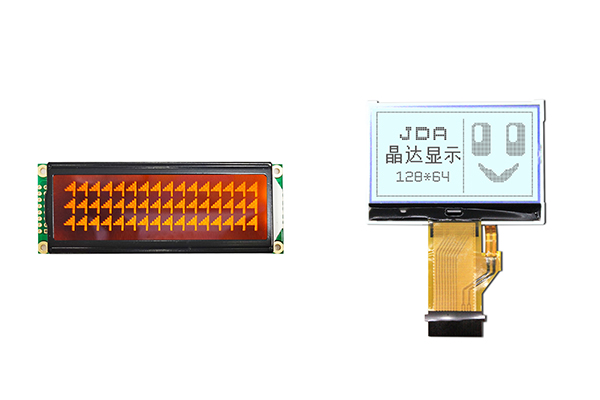
What Are the Advantages of LCD COG Display and LCD COB Display?
As electronic devices continue to become smaller, smarter, and more energy-efficient, display technologies must evolve to meet the growing demands of modern applications. Among the most widely used monochrome LCD technologies are COG display (Chip On Glass) and COB display (Chip On Board). Both technologies have established themselves as reliable solutions in industrial, medical, consumer, and smart device applications. As a professional LCD display manufacturer, Jingda display has rich manufacturing experience in COG display and COB display customization, providing high-reliability display products for global customers in multiple industries.
Read More