

News
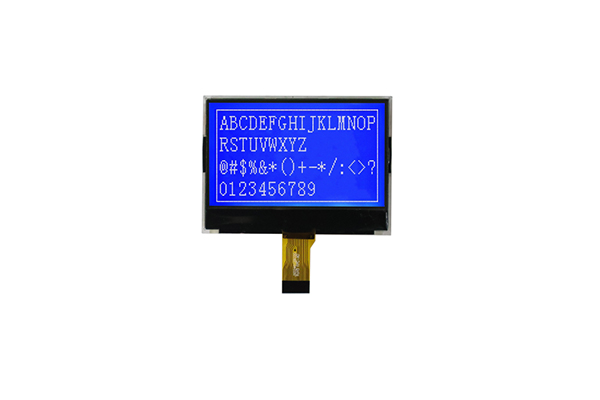
240x128 Graphic Dot Matrix Screen for Industrial Equipment
In the industrial manufacturing and automation industry, stable, low-power, and high-adaptability display components are the core guarantee for the normal operation of various industrial control devices, instrumentation equipment, and on-site monitoring terminals.
Read More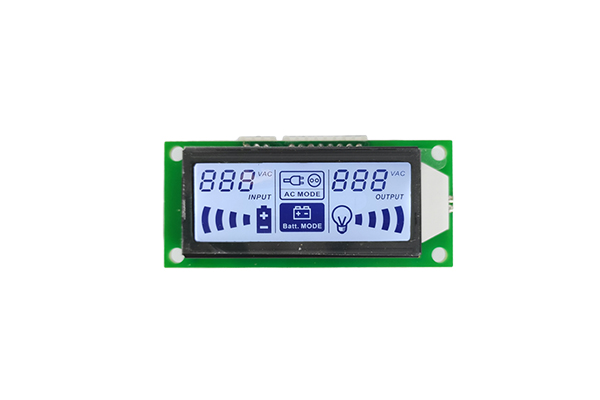
Why Segment LCD Display Can Equip With Touch Screen Function?
As a professional manufacturer with 20 years of in-depth experience in LCD and TFT display industry, we have independently developed and mass-produced a full range of touch-enabled segment LCD display products. These products break the traditional technical limitations of conventional segment screen......
Read More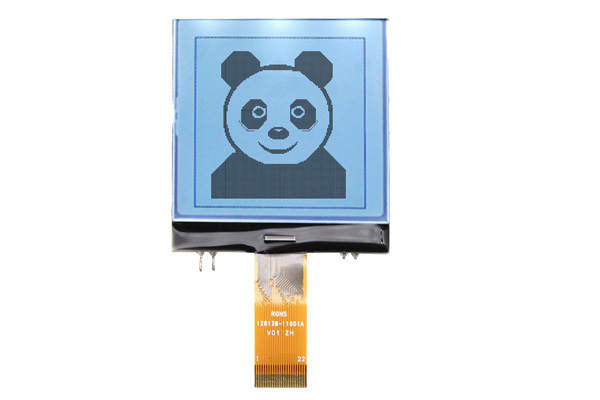
The 128x128 graphic LCD display for Paragliding Aircraft Applications
In modern aerial sports and lightweight aviation equipment, high-reliability display modules are core components to ensure flight safety, data real-time monitoring, and intelligent operation. Paragliding aircraft, as a mainstream lightweight outdoor flying device, puts forward extremely strict requi......
Read More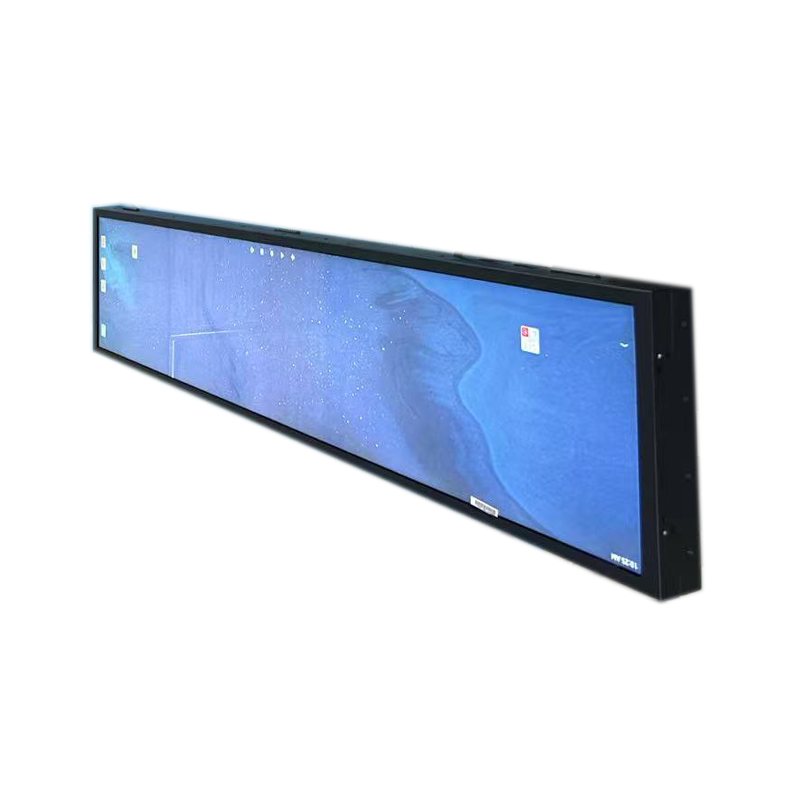
Jingda Display's Stretched Bar Screen Is Applied To Buses
With the rapid advancement of smart urban transit construction worldwide, traditional public transport information delivery methods, including static paper posters and single-function indicator lights, can no longer meet the diversified, real-time and intelligent operation needs of modern urban bus ......
Read More
What is advantage of 1.28 inch knob TFT screen?
The 1.28-inch knob TFT screen represents one of the most significant technological breakthroughs in the field of Human Machine Interaction (HMI) design over the past decade. This compact and powerful component integrates a high-resolution circular TFT display screen and rotary encoder knob, rapidly ......
Read More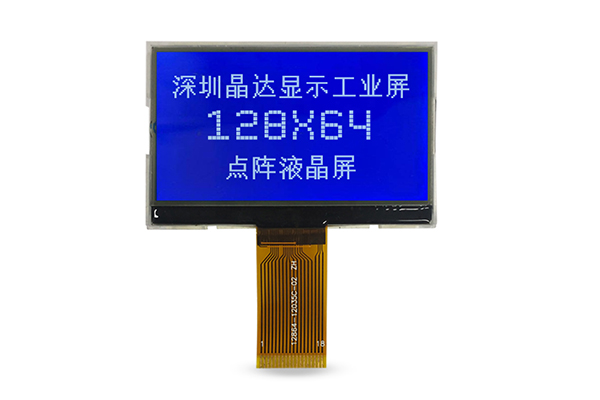
What is Graphic Dot Matrix STN and FSTN Display Mode?
In all monochrome display options, STN (Super Twisted Nematic) and FSTN (Film Compensated Super Twisted Nematic) display modes stand out as the most mature, reliable, and practical choices for monochrome LCD display applications worldwide. Unlike advanced TFT displays that feature redundant high-col......
Read More