

News
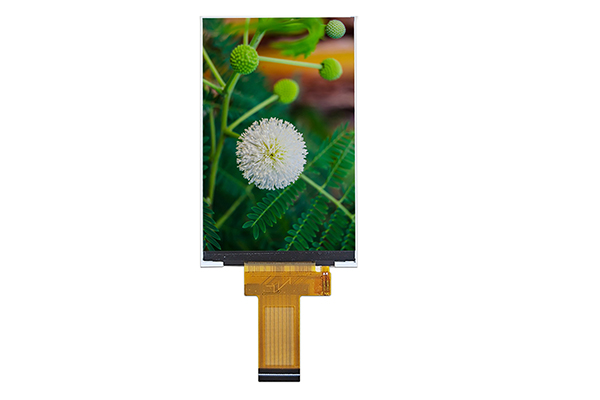
What is the Application Advantages of MIPI Interface Displays?
In the modern display industry, the selection of display interfaces directly determines the performance, power efficiency, integration level, and application scope of display devices. Among countless display solutions,MIPI display, LCD Display, and TFT display stand as the three most mainstream tech......
Read More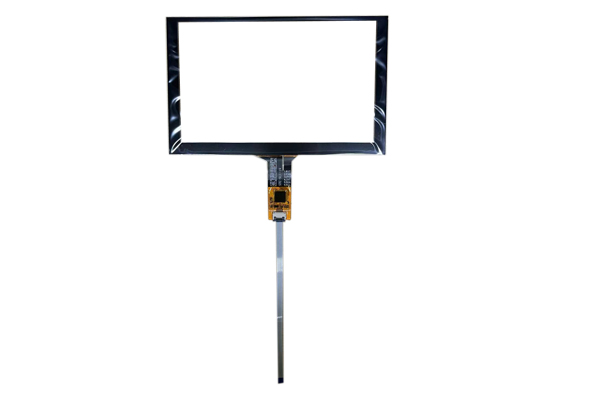
What are the three manufacturing processes for the glass cover?
In the manufacturing of glass covers, the surface treatment process is a crucial step for enhancing the optical performance, durability, and user experience of the product. The surface treatments for glass covers include AG (anti-glare), AR (anti-reflection), and AF (anti-fingerprint), which are thr......
Read More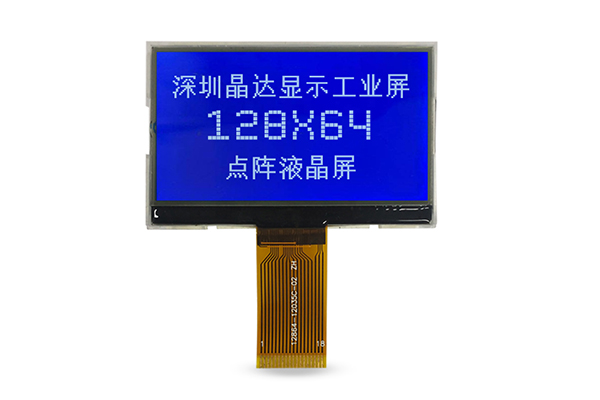
What Are the Advantages of Graphic LCD Screens in Industrial Device?
In modern industrial automation, intelligent manufacturing, and the operation of industrial control systems, the display terminal serves as the core carrier of human-machine interaction (HMI), and is responsible for tasks such as real-time data presentation, equipment status monitoring, parameter ......
Read More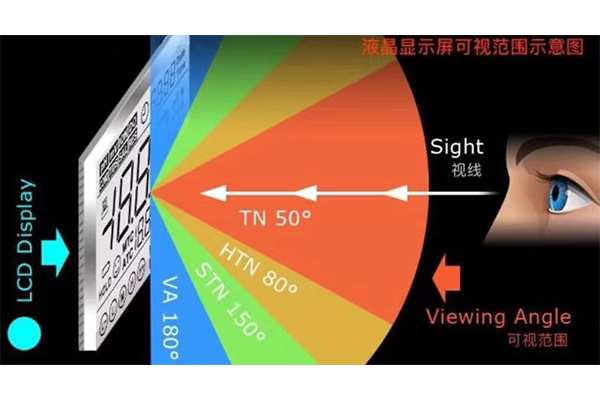
What is the Difference Between STN and FSTN Display technology?
In the evolving landscape of display technology, LCD display solutions remain foundational for industrial, consumer, and automotive devices worldwide. Among the most widely used legacy liquid crystal display variants, STN LCD display and FSTN LCD display stand out for their cost efficiency, low powe......
Read More
What is the difference between a serial port display and a standard TFT display?
In embedded system design, industrial automation, consumer electronics, displays screen serve as the core human-machine interface (HMI) component. The engineers and product developers frequently face a critical decision: choosing between a serial port display and a standard TFT display. While both d......
Read More
How Displays Are Quietly Revolutionizing Scientific Discovery?
When we think of LCD displays,TFT display and OLED display, we usually picture our smartphones, televisions, or laptops. But in the world of scientific research, screens have stepped far beyond their role as mere output devices. They are becoming active tools of discovery—the difference between seei......
Read More