

News

How Flexible OLED Displays Are Changing Life?
If you look around your home or office right now, you will probably see a few flat, rigid screens. Your TV is a rectangle. Your computer monitor is a rectangle. Even your phone, though sleek, is still a hard piece of glass. The next big thing in display technology is not about sharper colour or high......
Read More
What Factors Influence the Power Consumption of Monochrome LCD Displays?
Monochrome LCD screens have long been the backbone of low-power electronic devices across industrial, commercial, and consumer sectors. For the TFT color LCD panels that require complex color filtering and high-power back-lighting systems, monochrome liquid crystal displays deliver simple, high-cont......
Read More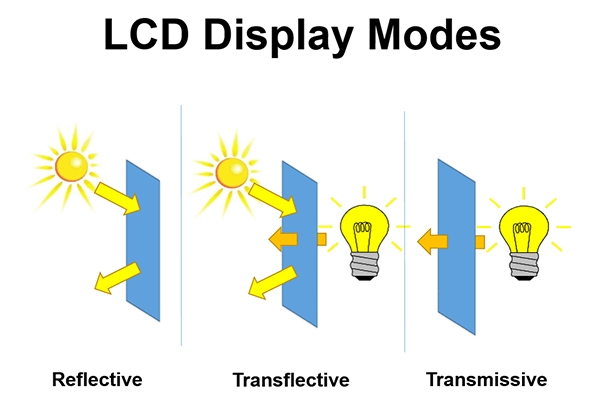
How to Distinguish LCD Modes for Transmissive, Transflective, Reflective?
LCD Displays remain one of the most dominant display technologies across consumer electronics, industrial equipment, automotive interfaces, and wearable devices worldwide. Unlike self-emissive display panels such as OLED and micro LED, LCDs do not generate light independently.
Read More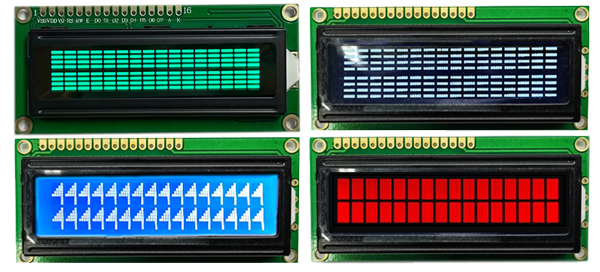
How Many Colors are There to Choose from for 16x2 Character LCD Display?
The 16x2 character LCD display is one of the most widely used display components in industrial control, embedded systems, consumer electronics, and DIY electronic projects worldwide. Known for its stable performance, low power consumption, cost-effectiveness with the 16x2 LCD module has become a sta......
Read More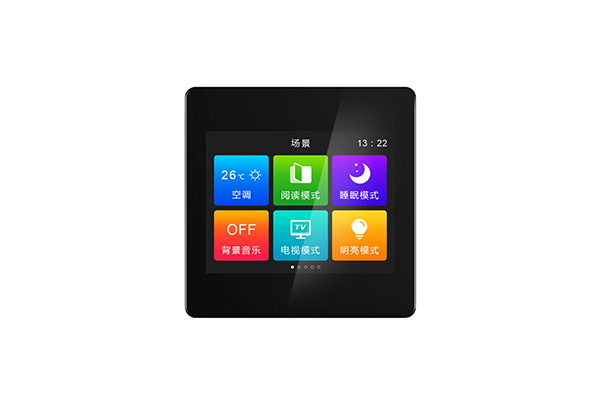
How Color Displays Are Giving Mini Robots a Voice
In the world of technology, size has always been a balancing act. We want our devices to be smaller, lighter, and more portable, but we also want them to be powerful, useful, and easy to interact with. For a long time, the smaller a machine got, the harder it was for humans to communicate with it. A......
Read More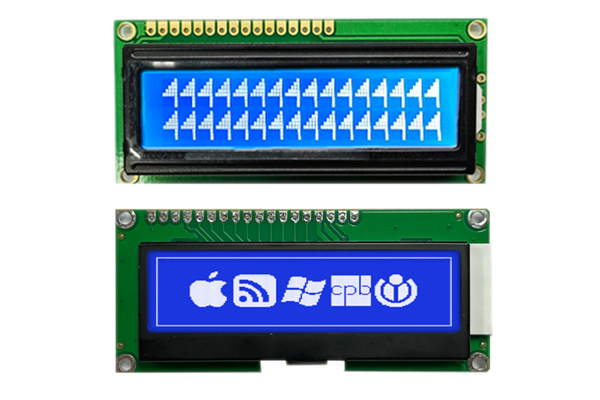
The Graphic LCD Screen Module Can Replace the 1602 Character LCD Screen
In industrial LCD display design, embedded control systems, and consumer electronic equipment, the 16x2 character LCD screen has long been a mainstream standard display solution. Due to its mature technology, stable performance, low power consumption, and cost-effectiveness, the 16x2 character LCD m......
Read More