

What are the three manufacturing processes for the glass cover?
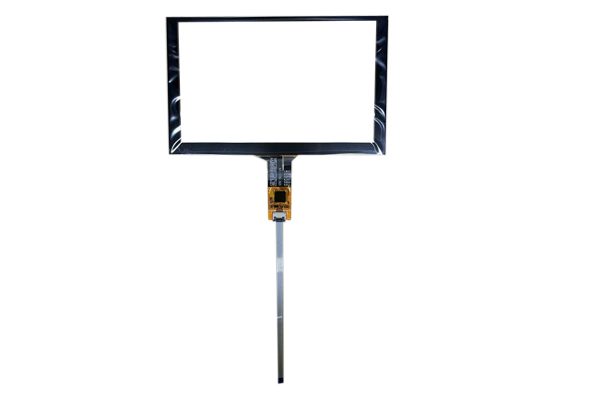
In the manufacturing of glass covers, the surface treatment process is a crucial step for enhancing the optical performance, durability, and user experience of the product. The surface treatments for glass covers include AG (anti-glare), AR (anti-reflection), and AF (anti-fingerprint), which are three common surface treatment methods. These treatments not only increase the practicality of the product but also improve its performance in various environments.
1. AG (Anti-Glare)
The AG process reduces screen glare under strong light and enhances visibility by creating micro-convex structures on the glass surface, which scatter light through diffuse reflection. It is particularly suitable for display devices in outdoor or high-light environments, such as vehicle infotainment systems and outdoor charging stations. The uniformity and stability of AG treatment significantly impact visual effects, requiring precise control of coating parameters.
2. AR (Anti-Reflective)
AR technology utilizes the principle of interference to deposit one or multiple thin films on the glass surface, reducing light reflection and enhancing light transmittance, thereby achieving clearer images and more accurate color reproduction. AR treatment is commonly used in indoor display devices such as smartphones, tablets, and medical equipment to minimize ambient light interference. AR films require high durability and adhesion performance, necessitating rigorous testing.
3. AF (Fingerprint Resistant)
The AF process forms a hydrophobic and oleophobic layer on the glass surface, making it difficult for fingerprints, oil stains, and the like to adhere, thus maintaining screen cleanliness. AF coatings are often used in combination with AG or AR, such as the AG+AF combination, which reduces glare and prevents fingerprints, enhancing the user's touch experience. The durability, weather resistance, and scratch resistance of AF films are key performance indicators.
Process characteristics and applications
AG: Strong light environment is preferred to enhance visibility.
AR: High transparency requirement to enhance image clarity.
AF: Anti fouling and anti fingerprint, enhancing user experience.
In practical applications, these three processes are often combined to achieve more comprehensive performance
1. AR+AF: This is currently the golden combination of high-end consumer electronics, such as flagship phones. It provides both top-notch display performance (AR) and excellent anti fouling smooth experience (AF).
2. AG+AF: This combination is commonly used in industrial control equipment, outdoor instruments, vehicle displays, and other scenarios. It ensures readability under strong light (AG) while also meeting the requirements of easy cleaning and good tactile sensation (AF).
3. Single use: In some cost sensitive or functionally demanding devices, only one process may be used.