

Have you noticed the Bus fare payment validator in the bus?
Think about your daily bus ride. You tap your bus card, maybe check the route, and grab a seat. But have you ever stopped to consider the technology making that seamless interaction possible? The 7-inch touchscreen display mounted on the bus console and beside the driver is a marvel of industrial engineering, a far cry from the delicate glass slab(phone) in your pocket. It's a specialized tool designed for a brutal environment, and its evolution is a fascinating case study in display and touch technology.
As the digital conductor: the validator is more than just a fare box, The primary job of these screens is to serve as the command center for fare collection and vehicle management. But their role is expanding. Today, we are seeing a transition from simple monochrome screens to vibrant, full-color TFT LCDs that provide real-time feedback to passengers and drivers alike.
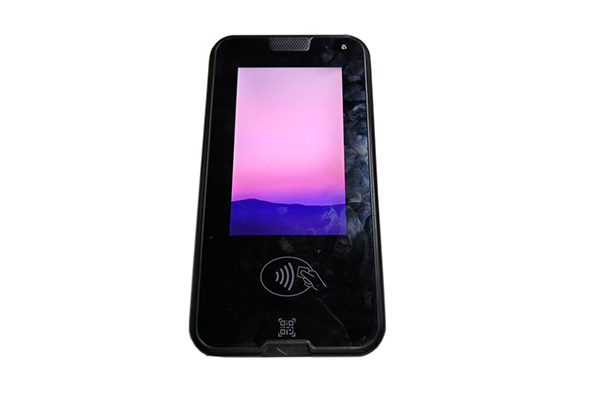
For the driver, the 7-inch console is an interpersonal interaction platform. It displays vehicle status, dispatches messages, and even handles driver attendance via built-in RFID(radio frequency identification). For the passenger interface, these screens validate tickets, show balances, and provide visual confirmation of payment. As transit systems modernize, these displays are becoming nodes in a connected, smart city infrastructure, with some of the latest innovations even incorporating transparent OLEDs and AI-driven multilingual support for enhanced accessibility.
Q: What makes a bus touchscreen different from a tablet?
A: It’s all about environmental endurance. While your tablet struggles in direct sunlight or freezing cold, these bus displays are built to survive extreme temperatures, shocks, vibrations, and even dust and moisture ingress.
The standard for these units is a 7-inch TFT LCD screen, often with a resolution of 800x480 or higher. However, the "magic" lies in the enhancements. To combat glare from direct sunlight-a common issue in outdoor transit-manufacturers employ "Optical Bonding." This process eliminates the air gap between the LCD and the touchscreen, drastically reducing internal reflections and improving visibility.
Furthermore, these displays often feature high brightness (measured in nits) and automatic light sensors to adjust screen illumination from harsh sunlight to dark evenings. They are also tested to withstand temperature ranges from -20°C to +70°C and comply with rigorous safety standards like E-Mark and IK (Impact Protection) ratings to ensure they don't shatter in an accident.
The real decision point in designing these consoles is the type of touch panel to use, and the trend is firmly shifting toward capacitive touch panels (CTP). The older technology, Resistive touch, works on pressure. While it can be operated with any object (including thick gloves) and is cheaper, it offers poor optics, a plastic feel, and struggles with modern multi-touch gestures.
Why is CTP taking over public transit?
Because buses aren't just about durability anymore, they are about user experience. CTP offers a brilliant, scratch-resistant glass surface, superior visibility, and supports the intuitive "swipe" and "pinch" gestures that users expect from modern devices.
However, standard CTP (like on a phone) won't work well on a bus. It needs to work with gloved fingers and in the rain. Therefore, advanced PCAP (projected capacitive touch) solutions are being developed with high-sensitivity "Glove Mode" and "Wet Touch" firmware that can distinguish between a raindrop and a deliberate finger press. Solutions to prevent interference in dual-screen setups are also be working on, ensuring the system is robust and safe.
The market is booming, projected to grow significantly as smart city initiatives and electric vehicle fleets expand. As we look to the future, these unassuming 7’’ screens will integrate deeper with fleet management systems, incorporate AI for adaptive interfaces, and perhaps even use flexible OLEDs for next-level designs. The humble bus display is no longer just a way to pay your fare, it’s the beating heart of the modern, connected commute, the future is bright and interactive.