

What Determines the Lifespan of LCD Screens?
Among all the mainstream display technologies, LCD screens remain the most widely used solution due to their stable performance, low cost, and the fact that they are less prone to screen burn-in compared to self-luminous display panels. From simple industrial control terminals and household appliances, to high-precision industrial monitoring equipment and in-vehicle terminals, segment LCD screens, character LCD screens, graphic LCD screens, and advanced TFT display variants. There are numerous core factors that affect the lifespan of LCD displays, covering aspects such as structural design, core components, usage environment, usage habits, and product type differences.
1. Core Structural and Component Lifespan
The complete LCD display system consists of liquid crystal layer, backlight module, polarizers, color filter, driving circuit, and protective glass. Unlike OLED displays that rely on self-luminous organic materials prone to aging, LCD displays work by controlling light transmission through liquid crystal molecular deflection, with almost no aging loss of liquid crystal materials themselves. The core lifespan loss of all LCD types, including segment lcd display, character lcd display, graphic lcd display, and TFT display, mainly comes from consumable components such as the backlight module and polarizers, which are the essential factors determining the overall service life of LCD displays.
1)Backlight Module Aging
LCD panels are non-self-luminous and completely dependent on the backlight module to provide light sources, making the backlight system the most vulnerable and shortest-lived core component of the entire display. Traditional LCD displays adopt CCFL backlights, which have a short service life, severe light attenuation, and high power consumption, and have been gradually phased out of the market. Modern mainstream LCD displays, including all types of graphic lcd display and TFT display, use LED backlight modules, with a standard industrial lifespan of 30,000 to 50,000 hours (brightness attenuates to 50% of the initial value).
2)Polarizer and Liquid Crystal Layer Aging
Polarizers are key components that control light polarization and ensure display contrast, and their aging degree directly affects the display effect and effective lifespan of LCD displays. Long-term exposure to high temperature, ultraviolet radiation, and humid environments will cause polarizer material aging, yellowing, and light transmittance attenuation, leading to reduced screen contrast, color distortion, and blurred pictures.
3)Driving Circuit and Solder Joint Stability
The driving circuit is responsible for transmitting control signals to liquid crystal molecules and backlight modules. The service life of the circuit board, chips, and solder joints determines the stable working cycle of the LCD display. Low-quality LCD products have rough circuit design and inferior solder processes. Long-term power-on operation will cause solder joint oxidation, virtual soldering, and chip overheating damage, resulting in screen flashing, no display, and intermittent failure.
2.Environmental Operating Conditions
The theoretical lifespan of all LCD display products is measured under standard laboratory conditions. In actual use, environmental changes will greatly affect the aging speed of segment lcd display, character lcd display, graphic lcd display, and TFT display. Extreme temperature, humidity, ultraviolet radiation, and mechanical vibration are the main environmental factors that shorten LCD display lifespan.
1) Temperature Changes (Most Influential Environmental Factor)
High temperature is the number one killer of LCD displays. Whether it is a low-power segment lcd display or a high-performance TFT display, long-term operation in a high-temperature environment will accelerate the aging of all core components. High temperature will accelerate the light attenuation of backlight LED beads, aggravate the yellowing and aging of polarizers, and cause thermal expansion and stress damage to the liquid crystal layer and circuit board.
2) Humidity and Condensation Corrosion
Moisture will corrode circuit solder joints and metal contacts, cause short circuits and leakage, and accelerate the aging of polarizers and optical films. For indoor statically used segment lcd display and character lcd display, long-term humid and non-ventilated environment is prone to mold growth on the screen surface and internal film layers, resulting in permanent display defects.
3) UV Radiation and Dust Pollution
Long-term direct exposure to sunlight and strong ultraviolet radiation will cause photochemical aging of LCD polarizers, color filters, and liquid crystal materials, resulting in screen yellowing, color fading, and reduced contrast. Civilian low-end segment lcd display and character lcd display have no UV protection design, and their display effect will decline significantly after long-term outdoor exposure.
4) Mechanical Vibration and Impact
For vehicle-mounted, portable, and industrial on-site LCD displays, mechanical vibration and impact are important factors leading to premature failure. Long-term continuous vibration will loosen internal connectors and solder joints of the display, cause virtual soldering and signal instability, and even crack the glass substrate and liquid crystal layer. Sudden impact and extrusion will directly cause screen fragmentation, liquid crystal leakage, and permanent damage.
3. Differences in Lifespan of Different LCD Display Types
There are obvious differences in structural design, component grade, and application scenarios among segment LCD display, character LCD display, graphic LCD display, and TFT display, resulting in huge differences in their theoretical and actual service life. Users need to select display types according to service life requirements in actual selection.
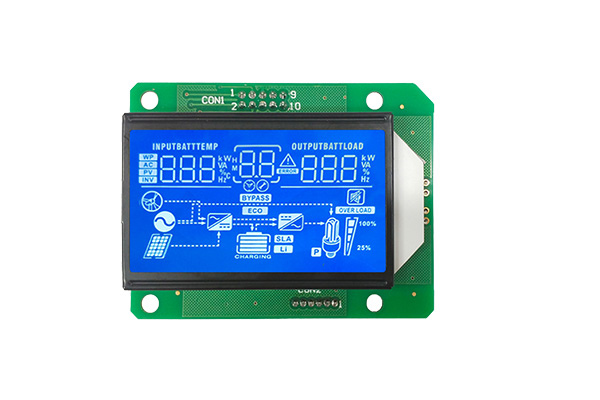
Segment LCD Display
Segment lcd display is the simplest LCD display type, which can only display fixed segment numbers and icons, and is mostly used in low-power devices such as home appliances, instruments, and remote controls. It has the advantages of simple structure, low power consumption, and stable performance. With ultra-low load operation for a long time, the backlight and circuit aging speed is extremely slow. The theoretical service life of mainstream monochrome segment LCD display can reach 80,000 to 100,000 hours, and the actual service life can reach more than 10 years, which is the longest lifespan among all LCD types.
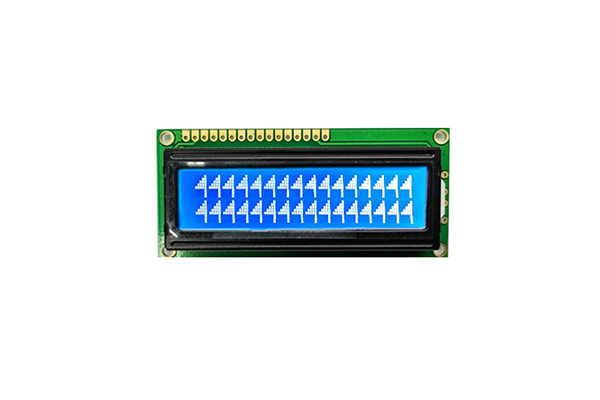
Character LCD Display
Character lcd display can display fixed numbers, letters, and symbols, and is widely used in industrial control panels, small instruments, and office equipment. Its structural complexity and power consumption are slightly higher than segment lcd display, with standard lifespan of 50,000 to 80,000 hours. It has stable performance and low aging rate in indoor conventional environments, and can meet the long-term use needs of most low-end industrial and civilian equipment.
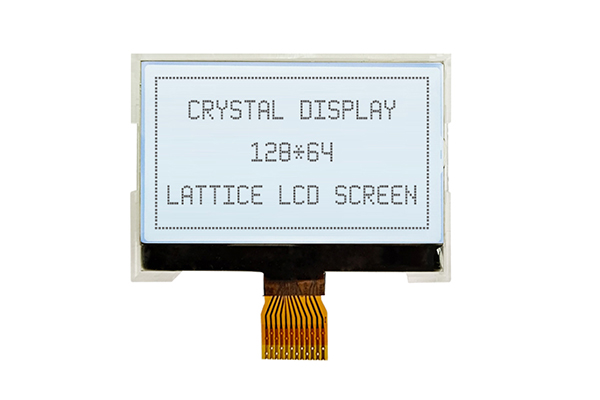
Graphic LCD Display
Graphic lcd display supports dot-matrix arbitrary graphics and text display, with higher resolution and richer display content than segment and character LCDs, and is mostly used in medium and high-end industrial equipment, medical instruments, and intelligent terminals. Industrial-grade graphic lcd display adopts high-temperature resistant and anti-aging optical components and reinforced circuits, with a standard lifespan of 40,000 to 60,000 hours, and can maintain stable display effect in complex industrial environments.
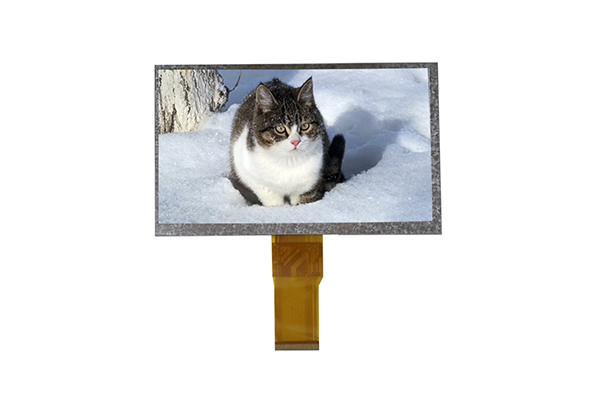
TFT Display
As a high-end branch of LCD display, TFT display has the advantages of high resolution, high color gamut, and fast response speed, and is widely used in consumer electronics, vehicle-mounted displays, outdoor monitoring, and high-precision industrial equipment. Due to high brightness, high power consumption, and complex circuit structure, the aging speed is relatively fast. The standard lifespan of civilian TFT display is 30,000 to 40,000 hours, and industrial high-brightness and wide-temperature TFT display can reach 40,000 to 50,000 hours after component upgrade and structural optimization.
Conclusion
The service life of LCD displays is not determined by a single factor, but by the combined effects of core component quality, environmental conditions, usage modes, and product positioning. The backlight module is the core bottleneck in the aging process of LCD, while temperature, humidity, light radiation, and mechanical stress are the main external factors that accelerate aging. Different types of LCD products have different characteristics of service life: segmented LCD displays and character LCD displays have a long service life due to their low power consumption and simple structure; High performance graphic LCD and TFT displays achieve a balance between high display quality and stable lifespan through industrial grade optimized design.
About Jingda Display Company
Shenzhen Jingda Display Technology Co., Ltd(JDA in brief) founded in 2015 by 10 experienced engineers from the LCD industry, JDA has grown into a high-tech enterprise integrating R&D, manufacturing, and sales of display modules and HMI solutions. JDA is devoted to develop the best match of display technology and smart applications and supply to customers best quality-price ratio display modules and solutions. JDA's products include monochrome LCD and LCM, 0.96-25 inch TFT & OLED LCM HMI solutions, the products have been used in the fields of Electric Power, Medicals Security Communications Automobiles Banking, Smart Homes Instruments, Meters, Comsumer Electronics, Home Applicances, Wearables and so on.