

How Polarizers Shape What You See on Every Screen?
A polarizing filter (also known as a polarizing optical element) is an optical component that selectively allows light of a specific vibration direction to pass through while absorbing or reflecting light of other directions. This process transforms natural light into polarized light.
Every LCD display, such as phone, laptop, and TV you use relies on a hidden layer you never notice: the polarizer. It sits inside the display and controls how light passes through. Without it, your screen would just be a blank glow. The type and brand of polarizer chosen can change brightness, viewing angles, and even how black looks.A polarizer is a thin film that filters light so only waves vibrating in one direction get through. In an LCD, two polarizers work as a team. The back one cleans up light from the backlight, and the front one acts like a gate. When the liquid crystal layer twists, it changes the light’s direction, letting pixels switch on and off. This is why polarizers are everywhere: not just in LCDs, but also in sunglasses that cut glare and in 3D glasses that separate left-eye and right-eye images.
Most display polarizers are made of a stretched polyvinyl alcohol (PVA) film dyed with iodine or special dyes. This film does the actual light-filtering work. It is then sandwiched between protective layers, usually triacetyl cellulose (TAC), to keep it stable and safe from moisture. There are also reflective polarizers that recycle wasted light to boost brightness, and compensation films added to widen viewing angles. For flexible or specialty screens, manufacturers may explore other materials, but the PVA-iodine combo remains the workhorse for the vast majority of LCD display.
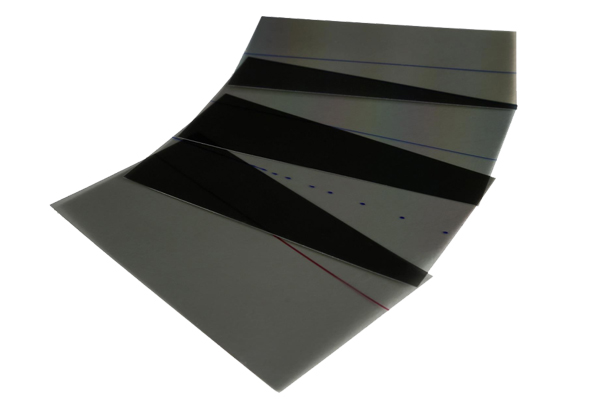
Not all polarizers perform the same, and big brands compete on exactly this. Japanese and Korean suppliers like Nitto Denko, Sumitomo Chemical, and LG Chem have long dominated the high-end market, known for consistent quality and advanced compensation films that keep colors accurate even when you look from the side. Chinese and Taiwanese makers such as Shanjin Optoelectronics and BenQ Materials have grown fast, offering solid performance at competitive prices. The practical difference shows up in small things: a cheaper polarizer might look fine head-on but wash out at an angle, or it might not block light perfectly in dark scenes, making blacks look grayish. A premium polarizer(POL) can make a mid-range screen look noticeably better simply by handling light more precisely.
For most people, the polarizer is invisible-until it isn't. If you've ever tilted a screen and watched the picture fade, or noticed a phone that looks great straight on but weak from the side, a polarizer is usually behind it. When shopping for a monitor or TV, viewing angle and black-level consistency are two quick ways to sense polarizer quality without reading a spec sheet. Brands rarely advertise which polarizer they use, but review sites and display tests often reveal the difference. For manufacturers, the choice is a trade-off between cost, durability, and optical performance, and that trade-off quietly shapes the final product more than most buyers realize.
So the next time a display looks sharp and comfortable, remember the polarizer did much of the quiet work for the LCD displays. Choosing the right one is a balancing act between budget, viewing needs, and the brand’s track record in optical clarity.