

The Differences Between Transmissive, Transflective and Reflective LCD Display
LCD displays are typically divides into three types based on their light transmission modes. The three main types of LCD modes are transmissive,, reflective, and transflective. The main difference is how they use light to illuminate the pixels in the display.
Transmissive
This is the most common type we see. The screen itself does not reflect light. Behind the liquid crystal layer, there is a constantly lit backlight module (LED backlight). The image is formed by the liquid crystal modulating these backlight rays.
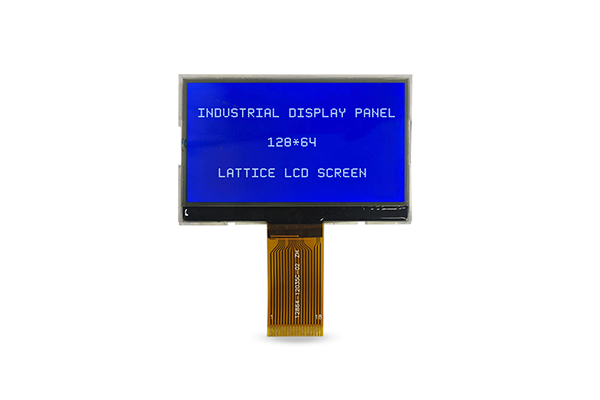
Reflective
It does not require back-lighting. It is like a mirror, with a reflective layer beneath the liquid crystal layer. Ambient light (such as sunlight or indoor lighting) passes through the liquid crystal layer and is reflected back by this reflective layer, then passes through the liquid crystal layer again and enters the human eye, thus forming an image. The reflection display mode not only does not require a backlight, but it is definitely a positive display!
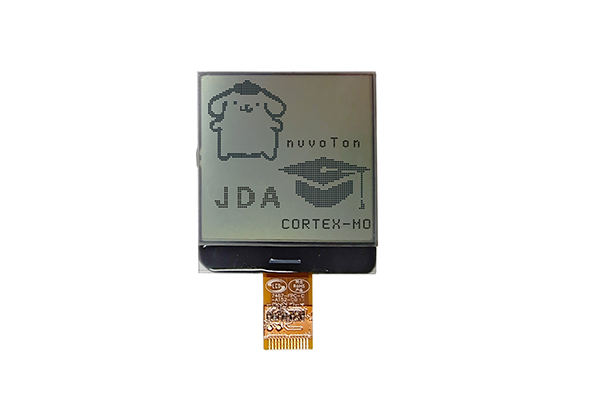
Transflective
It is a combination of total transmission and reflection. Below the liquid crystal layer, there is a hybrid layer that partially transmits light and partially reflects it. This layer can not only reflect part of the ambient light like a mirror, but also allow the backlight light to pass through.
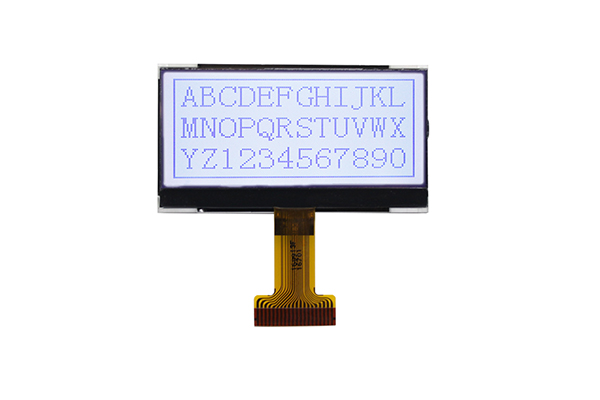
How to choose?
1.For maximum battery life and frequent outdoor use in bright sunlight, choose a reflective mode.
2.For optimal display quality and primary use indoors or in controlled lighting environments, choose a transmissive mode.
3.For complex and variable usage environments (frequent indoor/outdoor switching) requiring a balance between battery life and visibility, choose a transflective mode.