

What Is a TFT Display with CTP and Why Does It Matter for Modern Devices?
This comprehensive guide explores everything you need to know about TFT Display with CTP (Capacitive Touch Panel). From structure and working principles to real-world applications and selection strategies, this article helps buyers, engineers, and product managers understand how to choose the right display solution. It also addresses common pain points such as durability, touch sensitivity, cost-performance balance, and customization. Whether you're developing industrial equipment, medical devices, or consumer electronics, this guide provides actionable insights.
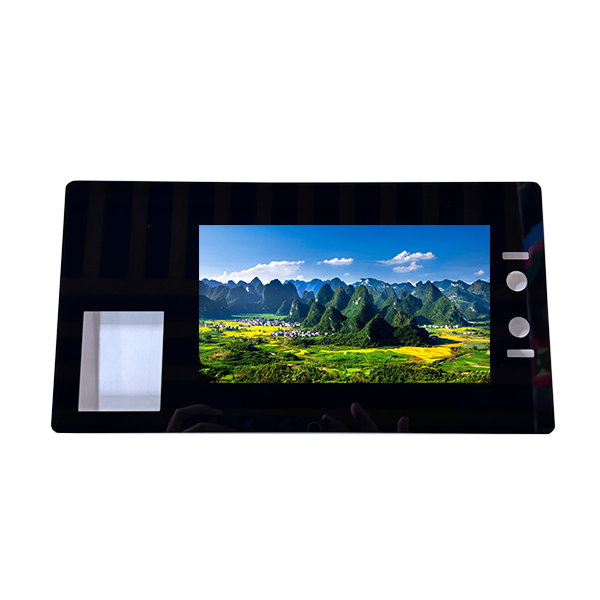
Table of Contents
- 1. What Is a TFT Display with CTP?
- 2. How Does TFT + CTP Technology Work?
- 3. Why Choose TFT Display with CTP?
- 4. Key Components Explained
- 5. Applications Across Industries
- 6. Comparison: TFT with CTP vs Other Display Types
- 7. Common Customer Pain Points & Solutions
- 8. How to Choose the Right TFT Display with CTP?
- 9. Customization Options You Should Know
- 10. Maintenance and Lifespan Tips
- 11. FAQ
- 12. Conclusion
1. What Is a TFT Display with CTP?
A TFT Display with CTP refers to a Thin-Film Transistor (TFT) LCD integrated with a Capacitive Touch Panel (CTP). This combination allows users to interact directly with the display through touch, enabling intuitive and responsive user experiences.
The TFT component ensures high-resolution visuals, vibrant colors, and fast refresh rates, while the CTP layer provides accurate and multi-touch input capabilities. Together, they form the backbone of modern human-machine interfaces.
2. How Does TFT + CTP Technology Work?
The TFT layer controls individual pixels using transistors, allowing precise image rendering. Meanwhile, the capacitive touch panel detects electrical changes when a finger touches the screen.
- TFT Layer: Displays images using liquid crystal technology
- CTP Layer: Detects touch via electrostatic fields
- Controller IC: Processes touch signals and translates them into commands
This seamless interaction is why TFT with CTP is widely used in smartphones, tablets, and industrial control systems.
3. Why Choose TFT Display with CTP?
Businesses and engineers prefer TFT displays with CTP for several compelling reasons:
- High touch sensitivity and responsiveness
- Support for multi-touch gestures
- Excellent image clarity and brightness
- Durable and scratch-resistant surface
- Wide compatibility with embedded systems
Manufacturers like Shenzhen Jingda Display Technology Co., Ltd. specialize in delivering high-quality TFT with CTP solutions tailored to different industries.
4. Key Components Explained
| Component | Function |
|---|---|
| TFT LCD Panel | Displays images and videos |
| Capacitive Touch Panel | Detects touch input |
| Driver IC | Controls display signals |
| Touch Controller | Processes touch data |
| Cover Glass | Protects screen and enhances durability |
5. Applications Across Industries
TFT Displays with CTP are used in a wide range of industries:
- Industrial Automation: Control panels and HMIs
- Medical Devices: Diagnostic equipment interfaces
- Consumer Electronics: Smartphones, tablets
- Automotive: Infotainment systems
- Retail: POS systems and kiosks
Shenzhen Jingda Display Technology Co., Ltd. provides customized solutions for each of these sectors, ensuring reliability and performance.
6. Comparison: TFT with CTP vs Other Display Types
| Feature | TFT with CTP | Resistive Touch | OLED |
|---|---|---|---|
| Touch Sensitivity | High | Medium | High |
| Multi-Touch | Yes | No | Yes |
| Durability | High | Medium | Medium |
| Cost | Moderate | Low | High |
7. Common Customer Pain Points & Solutions
Pain Point 1: Poor Touch Accuracy
Solution: Choose high-quality CTP with advanced controllers.
Pain Point 2: Screen Glare
Solution: Use anti-glare or anti-reflective coatings.
Pain Point 3: Limited Durability
Solution: Opt for strengthened glass and rugged design.
Pain Point 4: Integration Complexity
Solution: Work with experienced suppliers like Shenzhen Jingda Display Technology Co., Ltd.
8. How to Choose the Right TFT Display with CTP?
- Determine screen size and resolution requirements
- Evaluate environmental conditions (temperature, humidity)
- Check interface compatibility (SPI, RGB, LVDS)
- Consider touch performance requirements
- Assess supplier reliability and support
9. Customization Options You Should Know
- Custom screen sizes
- Brightness adjustments (high brightness for outdoor use)
- Touch sensitivity tuning
- Interface customization
- Branding and logo integration
Shenzhen Jingda Display Technology Co., Ltd. offers flexible customization services to meet diverse project needs.
10. Maintenance and Lifespan Tips
- Avoid excessive pressure on the screen
- Clean with appropriate materials
- Protect from extreme temperatures
- Ensure proper electrical connections
With proper care, TFT displays with CTP can last for years without performance degradation.
11. FAQ
Q1: What is the difference between CTP and resistive touch?
CTP uses electrical signals for touch detection, offering better sensitivity and multi-touch capability.
Q2: Can TFT with CTP be used outdoors?
Yes, with high brightness and anti-glare enhancements.
Q3: Is customization available?
Yes, many manufacturers including Shenzhen Jingda Display Technology Co., Ltd. offer tailored solutions.
Q4: What industries benefit most?
Industrial, medical, automotive, and consumer electronics sectors benefit significantly.
Q5: How long does a TFT display last?
Typically 30,000–50,000 hours depending on usage.
12. Conclusion
TFT Displays with CTP represent a powerful combination of visual performance and user interaction. They are essential for modern devices requiring intuitive interfaces and high reliability. From industrial control systems to consumer electronics, their versatility and performance make them a top choice.
If you are looking for a reliable partner, Shenzhen Jingda Display Technology Co., Ltd. offers advanced TFT Display with CTP solutions tailored to your specific needs. With extensive experience and customization capabilities, they can help you bring your product vision to life.
Contact us today to get expert guidance and discover the perfect display solution for your next project!