

What Is a Serial Port Display and Why Is It Becoming Essential for Modern Embedded Systems
In modern embedded systems, user interfaces must be efficient, responsive, and easy to integrate. A Serial Port Display has become an increasingly popular solution for engineers and manufacturers because it simplifies communication between microcontrollers and display modules while reducing development complexity.
This comprehensive guide explores what a Serial Port Display is, how it works, and why it is widely used in industrial equipment, smart devices, medical instruments, and IoT applications. We also explain its architecture, communication protocols, advantages, and integration tips. In addition, we provide comparison tables, implementation guidelines, and answers to frequently asked questions.
If you are designing an embedded device and want a reliable display solution, this article will help you understand how a Serial Port Display from Jingda can streamline development and improve user experience.
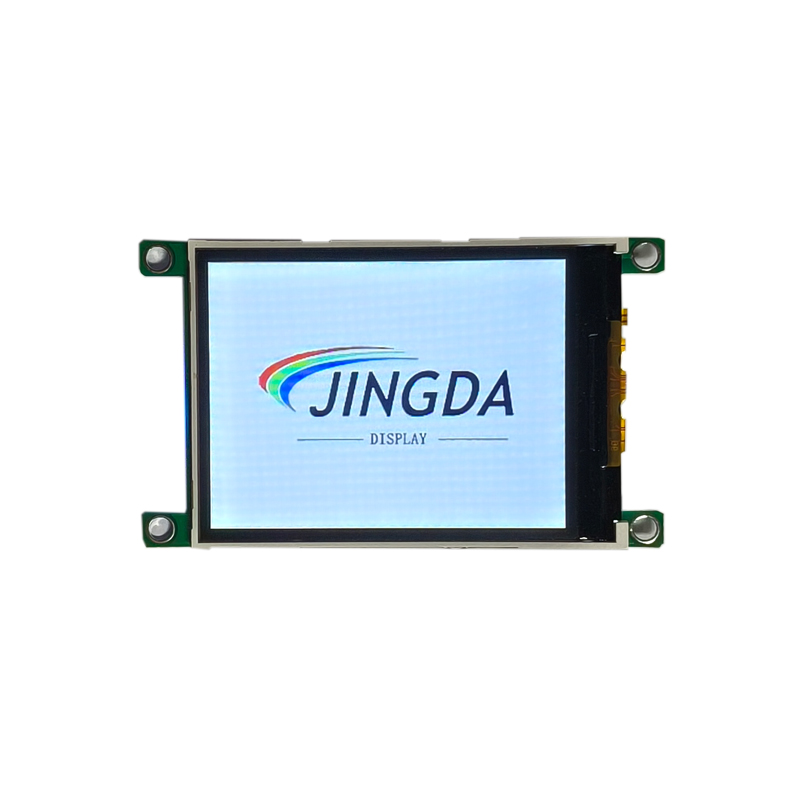
Table of Contents
- 1. What Is a Serial Port Display?
- 2. How Does a Serial Port Display Work?
- 3. Why Are Serial Port Displays Popular in Embedded Systems?
- 4. Key Components of a Serial Port Display System
- 5. Serial Communication Protocols Used in Displays
- 6. Advantages of Using a Serial Port Display
- 7. Serial Port Display vs Traditional LCD Interface
- 8. Application Scenarios of Serial Port Displays
- 9. How to Integrate a Serial Port Display in Your Project
- 10. Best Practices for Choosing a Serial Port Display
- 11. Future Trends in Serial Port Display Technology
- 12. Frequently Asked Questions
1. What Is a Serial Port Display?
A Serial Port Display is a type of display module that communicates with a host controller through a serial communication interface such as UART, RS232, or TTL serial. Instead of directly controlling pixels or complex display drivers, developers send simple commands or data through the serial interface to display text, graphics, or UI elements.
This architecture significantly reduces the workload of the main microcontroller because the display module itself contains a built-in processor responsible for rendering graphics and managing the interface.
Typical serial display modules include:
- TFT serial displays
- UART LCD displays
- RS232 industrial displays
- HMI serial displays
Manufacturers such as Jingda provide industrial-grade serial display solutions that simplify human-machine interface (HMI) development.
2. How Does a Serial Port Display Work?
A serial port display operates using a simple communication workflow between the host controller and the display module.
Basic Working Process
- The host microcontroller sends commands via UART or serial interface.
- The display module receives the command.
- The internal processor interprets the command.
- The display renders text, images, or UI components.
Instead of handling pixel-level operations, the host system only sends instructions such as:
- Display text
- Switch UI page
- Update sensor value
- Trigger animation
This approach dramatically reduces firmware complexity and improves system reliability.
3. Why Are Serial Port Displays Popular in Embedded Systems?
Embedded system designers often face strict constraints in terms of processing power, development time, and system stability. Serial port displays provide a practical solution for these challenges.
Main Reasons for Popularity
- Minimal MCU resource consumption
- Simple command-based control
- Fast UI development
- Lower development cost
- Reduced firmware complexity
Because of these advantages, serial display modules are widely used in industrial equipment, consumer electronics, and smart devices.
4. Key Components of a Serial Port Display System
A typical serial port display system consists of several key hardware and software components.
| Component | Description |
|---|---|
| Microcontroller (MCU) | Main system controller that sends serial commands |
| Serial Interface | UART, RS232, or TTL communication channel |
| Display Controller | Embedded processor inside the display module |
| TFT/LCD Panel | The visual output screen |
| Firmware/UI Library | Software used to design interface layouts |
Modern displays often include built-in storage for fonts, images, and UI templates.
5. Serial Communication Protocols Used in Displays
Serial port displays typically rely on several communication protocols depending on the application.
Common Protocols
- UART
- RS232
- RS485
- TTL serial
| Protocol | Distance | Typical Use |
|---|---|---|
| UART | Short | Embedded devices |
| RS232 | Medium | Industrial control systems |
| RS485 | Long | Factory automation |
| TTL | Short | Microcontroller development boards |
The choice of protocol depends on communication distance, noise tolerance, and system architecture.
6. Advantages of Using a Serial Port Display
Serial port displays provide several technical and commercial advantages compared with traditional display interfaces.
Technical Advantages
- Low CPU usage
- Simple command protocol
- Reduced wiring complexity
- Built-in graphics processing
- Improved system stability
Development Advantages
- Shorter development cycle
- Less firmware coding
- Easy UI customization
- Lower engineering cost
This makes serial displays ideal for both startups and large-scale industrial product development.
7. Serial Port Display vs Traditional LCD Interface
| Feature | Serial Port Display | Traditional LCD Interface |
|---|---|---|
| Control Method | Command-based | Pixel-level control |
| MCU Load | Low | High |
| Development Time | Short | Long |
| Hardware Complexity | Low | High |
| UI Flexibility | High | Depends on MCU |
As the table shows, serial displays significantly simplify development while maintaining excellent interface capabilities.
8. Application Scenarios of Serial Port Displays
Serial port displays are used across many industries due to their flexibility and reliability.
Common Applications
- Industrial automation equipment
- Smart home control panels
- Medical devices
- Testing instruments
- Energy monitoring systems
- IoT devices
- Commercial vending machines
These applications require stable communication, easy UI updates, and reliable long-term operation.
9. How to Integrate a Serial Port Display in Your Project
Integrating a serial port display is relatively straightforward.
Typical Integration Steps
- Select the display size and resolution
- Connect the serial interface to the MCU
- Configure baud rate and communication settings
- Design the UI interface
- Send commands to control the display
Most manufacturers provide configuration tools that allow engineers to visually design the interface before deployment.
10. Best Practices for Choosing a Serial Port Display
Selecting the right display module is essential for product performance and long-term reliability.
Factors to Consider
- Display resolution
- Touch capability
- Communication protocol
- Operating temperature
- Industrial certification
- Software support
Working with experienced manufacturers such as Jingda ensures compatibility, reliability, and professional technical support.
11. Future Trends in Serial Port Display Technology
As embedded systems evolve, serial display technology continues to improve in several areas.
Emerging Trends
- Higher resolution TFT panels
- Integrated touch controllers
- Improved UI design tools
- IoT and cloud connectivity
- AI-enabled device interfaces
These innovations will further expand the role of serial port displays in smart devices and industrial automation.
12. Frequently Asked Questions
What is the main purpose of a Serial Port Display?
Its primary purpose is to simplify communication between a microcontroller and a display by using serial commands rather than complex graphical programming.
Do serial port displays require powerful microcontrollers?
No. One of the biggest advantages is that they reduce MCU processing requirements because the display module handles graphics processing internally.
Are serial displays suitable for industrial environments?
Yes. Many industrial devices use serial communication protocols like RS232 and RS485, making serial displays highly compatible with industrial control systems.
Can serial port displays support touch screens?
Yes. Many modern serial display modules include capacitive or resistive touch functionality, enabling interactive user interfaces.
Is it difficult to develop UI interfaces for serial displays?
Most manufacturers provide graphical UI tools that allow engineers to design interfaces quickly without extensive coding.
Conclusion
A Serial Port Display offers a powerful yet simple solution for embedded system interface design. By offloading graphics processing to the display module, engineers can focus on core system functionality while still delivering professional and responsive user interfaces.
With advantages such as low development complexity, reliable communication, and fast integration, serial displays are becoming a standard choice for modern devices. Choosing a trusted manufacturer like Jingda ensures high-quality hardware, stable performance, and professional engineering support.
If you are developing embedded products and want to enhance your device interface while reducing development workload, exploring advanced serial display solutions is a smart step forward.
For professional display modules, technical assistance, and customized solutions, feel free to contact us.